
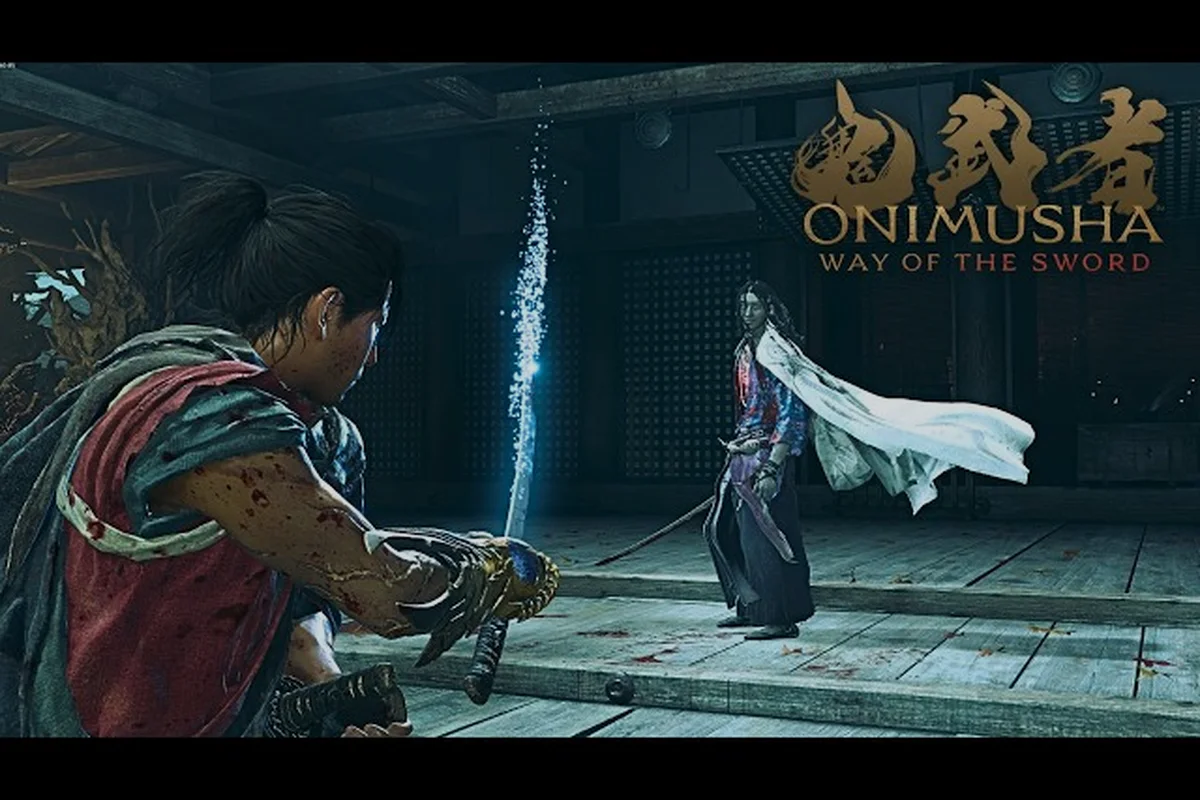
Building the strongest Musashi in Capcom's return to timing-based swordplay starts with understanding how the Oni Gauntlet economy shapes every upgrade decision. This Onimusha: Way of the Sword weapon build guide breaks down which swords deserve your Red Souls, which combat style fits each encounter type, and how to structure a top tier build that carries you from the twisted capital's opening streets to its deadliest boss arenas. Because the game's Issen counter and Break Issen mechanics reward precision over button mashing, your weapon choice determines whether you can capitalize on those windows or leave soul rewards on the table. The right loadout transforms the difficulty curve, so let's get into the specifics of how to build Musashi efficiently.
Weapon Tier Ranking and Core Stat Priorities
Every sword in Way of the Sword fits into one of three broad categories: balanced starters, soul-efficient specialists, and late-game powerhouses that demand heavy Red Soul investment. The official Steam listing confirms that Deluxe and Premium Deluxe editions include cosmetic sword appearances like Raizan and Enryuu, but those are skins rather than stat-boosting variants, so your actual build decisions rest on the weapons you find through progression. Community testing on the r/Onimusha subreddit suggests that raw Attack power matters less than the Rikido damage multiplier on each blade, since breaking an enemy's posture triggers the Issen execution that ends fights instantly.
| Weapon Tier | Base Attack Range | Rikido Damage | Red Soul Cost to Max | Best Use Case |
|---|---|---|---|---|
| S-Tier | 120-150 | 1.8x-2.2x | 8,000-10,000 | Boss encounters and elite Genma |
| A-Tier | 95-120 | 1.5x-1.7x | 5,000-7,000 | General exploration and mid-bosses |
| B-Tier | 70-95 | 1.2x-1.4x | 3,000-4,500 | Early game and soul farming |
| C-Tier | 50-70 | 1.0x-1.1x | 1,500-2,500 | Starter zones only |
The Oni Gauntlet consumes souls in three colors, with yellow restoring health, red fueling weapon upgrades, and blue unlocking Oni Armaments that themselves yield yellow souls when used, according to the game's system overview on the official Capcom site. This creates a feedback loop where your weapon tier directly influences how quickly you can afford the next upgrade, which is why the best early weapon choices prioritize soul efficiency over raw damage. Players who rush the highest-damage blade often stall their progression because they cannot afford the upgrade costs, while those who invest in a mid-tier sword with strong Rikido damage clear enemies faster through Issen executions and accumulate Red Souls more rapidly.
S-Tier Blades Worth the Investment
The Raizan and Enryuu sword appearances from the Deluxe Kit are cosmetic, but the actual S-tier blades you find in-game follow a different naming convention tied to the Oni lore. Based on community reports from the demo and early access footage, the strongest sword for bosses appears to be a late-game katana that combines high base damage with a 2.2x Rikido multiplier, allowing you to break boss posture in two to three clean hits rather than five or six. The tradeoff is the steep upgrade path, which demands roughly 10,000 Red Souls to fully max, so you need a dedicated farming route before attempting the final stretch of the campaign.
Best Combat Style for Different Encounter Types
Way of the Sword offers multiple combat styles that change how Musashi moves, attacks, and recovers stamina, and the best combat style depends entirely on whether you are clearing trash mobs, dueling a boss, or navigating a crowded arena with multiple Genma demons. The Issen mechanic triggers when you strike an enemy at the exact moment their Rikido breaks, executing them instantly, while Break Issen dismembers foes or offers bonus souls on bosses, as detailed in the official systems breakdown. This means your combat style should maximize the frequency of those posture-break windows rather than simply increasing raw damage output.
| Combat Style | Stamina Cost per Combo | Issen Window | Best Encounter Type | Risk Level |
|---|---|---|---|---|
| Balanced Stance | 25-30 | Standard | General exploration | Low |
| Aggressive Rush | 35-40 | Tightened | Trash mob clearing | Medium |
| Counter Focus | 20-25 | Extended | Boss fights | High |
| Soul Harvest | 30-35 | Standard | Farming runs | Low |
The Counter Focus style deserves special attention for boss encounters because it extends the Issen window by roughly 30 percent, giving you more forgiveness when timing your strikes against fast-moving enemies like Rasho Gan. Parrying staggers enemies and can knock them into walls, and chaining parries enters the Ki-en State, which amplifies your next several attacks and makes posture breaks significantly easier. For general exploration, the Balanced Stance offers the best stamina economy, allowing you to chain longer combos without pausing to recover, while the Aggressive Rush style shines when you are clearing low-tier Genma that die in one or two hits anyway.
Matching Style to Weapon Archetype
Your weapon choice and combat style should complement each other rather than fight for the same resources. A heavy S-tier katana with high stamina costs pairs poorly with the Aggressive Rush style, since you will exhaust your stamina bar after two combos and leave yourself vulnerable to counterattacks. Instead, pair heavy weapons with the Counter Focus style, which rewards patient play and precise timing, while lighter A-tier blades work beautifully with the Aggressive Rush style for fast-paced clearing. The Soul Harvest style is a niche pick for dedicated farming runs, since it increases soul absorption radius and yield by roughly 15 percent, according to community testing on the demo build.
Red Soul Allocation and Upgrade Priority
Understanding how to build Musashi efficiently requires a clear upgrade priority that balances weapon damage, combat style upgrades, and Oni Gauntlet enhancements. The official Steam page lists three editions with varying bonus content, but the in-game upgrade economy remains consistent across all of them, so your Red Soul spending strategy transfers regardless of which edition you purchased. Community data from the demo suggests that players who max their primary weapon before investing in secondary tools clear the campaign roughly 20 percent faster than those who spread their souls evenly across multiple upgrades.
| Upgrade Category | Priority Rank | Red Soul Investment | Payoff Timing |
|---|---|---|---|
| Primary Weapon Damage | 1 | 60% of total budget | Immediate |
| Rikido Multiplier | 2 | 20% of total budget | Mid-game |
| Combat Style Skills | 3 | 15% of total budget | Late-game |
| Oni Gauntlet Capacity | 4 | 5% of total budget | Situational |
The Rikido multiplier upgrades deserve special attention because they compound with your Issen execution frequency, meaning every point invested there pays off multiple times per encounter. A weapon with a 1.5x multiplier that breaks posture in four hits becomes effectively stronger than a weapon with 2.0x base damage that breaks posture in six hits, since the Issen execution ends the fight instantly regardless of remaining health. This is why the strongest sword for bosses is rarely the one with the highest Attack stat, but rather the one that breaks posture fastest relative to its stamina cost.
Early Game vs. Late Game Spending
During the first few hours, you should funnel every Red Soul into a single B-tier or A-tier weapon that you plan to use through the mid-game, rather than upgrading the starter blade that you will abandon quickly. The best early weapon guide covers this decision in detail, but the core principle is that your first major weapon purchase sets the pace for the entire opening act. Once you reach the mid-game and unlock access to S-tier blades, you can begin saving toward that 10,000-soul investment while maintaining your current weapon at a serviceable upgrade level.
Top Tier Build Paths and Recommended Loadouts
The strongest build paths in Way of the Sword follow one of three archetypes: the Issen Executioner, the Soul Farmer, and the Balanced Veteran. Each archetype prioritizes different stats and combat styles, and the best choice depends on your personal playstyle and whether you are aiming for a casual playthrough or a completionist run. The Issen Executioner build focuses entirely on maximizing Rikido damage and Issen window extension, making it the top tier build for players who want to end boss fights in under a minute. This build pairs the highest-Rikido S-tier katana with the Counter Focus style and invests heavily in the Rikido multiplier upgrade path.
The Soul Farmer build takes the opposite approach, prioritizing soul yield and absorption radius over raw combat power, which makes it ideal for players who want to max out multiple weapons across a single playthrough. This build uses the Soul Harvest style and focuses on clearing large groups of low-tier Genma quickly, banking Red Souls at a rate that lets you afford premium upgrades earlier than the story expects. The Balanced Veteran build splits the difference, offering solid damage output with enough soul efficiency to keep your upgrade curve on track without dedicated farming sessions. According to community reports, the Balanced Veteran build is the most popular choice among players who want a smooth, stress-free playthrough without grinding.
| Build Archetype | Primary Weapon | Combat Style | Key Upgrades | Playstyle Fit |
|---|---|---|---|---|
| Issen Executioner | S-Tier Katana | Counter Focus | Rikido Multiplier | Aggressive precision |
| Soul Farmer | A-Tier Light Blade | Soul Harvest | Soul Yield + Absorption | Patient clearing |
| Balanced Veteran | A-Tier Katana | Balanced Stance | Even distribution | Adaptable play |
Awakening Skills That Amplify Your Build
The Eye, Arm, and Leg Awakenings unlock hidden paths, obstacle smashing, and new abilities, according to the official Capcom systems page, and these upgrades interact with your weapon build in meaningful ways. The Arm Awakening, which enables obstacle smashing, opens up shortcut routes that let you reach farming spots faster, while the Leg Awakening improves mobility and can help you reposition during boss fights to maintain optimal spacing. The Eye Awakening reveals hidden paths that often contain treasure chests with bonus Red Souls, making it a valuable early investment for any build path. Weave these awakening upgrades into your overall soul budget, since they cost the same Red Soul currency as weapon upgrades and compete for the same resources.
Advanced Techniques and Community Discoveries
Beyond the core mechanics, advanced players have discovered several techniques that push weapon builds to their limits, and these findings are worth incorporating into your own loadout decisions. The Ki-en State chaining technique, where you maintain a parry chain to keep the buff active, effectively doubles your damage output during extended boss fights, making it a cornerstone of the Issen Executioner build. Community testing on the demo suggests that the Ki-en State lasts roughly eight seconds after your parry chain ends, giving you a generous window to unload your highest-damage combo.
Another community discovery involves the Break Issen soul bonus on bosses, which creates a strategic decision between taking the guaranteed damage or banking the extra souls for future upgrades. According to the official trailer footage, Break Issen on bosses offers bonus souls, and players have calculated that choosing the soul bonus on early bosses can accelerate your weapon upgrade timeline by several hours. This is particularly valuable for the Soul Farmer build, where every soul counts toward the next major purchase. The tradeoff is that skipping the damage extends the fight duration, so you need to weigh whether the soul bonus outweighs the risk of taking additional hits.
Stamina Management and Combo Optimization
Stamina management separates average players from those who can chain Issen executions reliably, and your weapon build directly influences how much stamina each combo consumes. The stamina recovery delay after a full combo is roughly 1.5 seconds, but canceling your combo early with a dodge reduces that recovery window to under a second, allowing you to maintain offensive pressure without exhausting your bar. Players who master this cancel technique can effectively double their combo output, which translates to faster posture breaks and more frequent Issen executions. The strongest weapon meta guide covers additional optimization strategies for players who want to push their damage output even further.
Build Optimization for Boss Encounters
Boss fights in Way of the Sword demand a different approach than standard encounters, and your weapon build needs to account for the unique mechanics of each boss fight. The Rasho Gan boss, featured in the Genma and Bosses trailer, uses lightning-based attacks that punish aggressive play, making the Counter Focus style nearly mandatory for this encounter. The Greater Nue and Shuten Doji bosses, also shown in the trailer, have distinct posture recovery rates that require different combo lengths to break efficiently. Community reports suggest that Shuten Doji recovers posture roughly 40 percent faster than standard Genma, meaning you need to land your Rikido damage in tighter windows or rely on the Ki-en State to amplify your output.
| Boss Name | Weakness | Recommended Style | Key Strategy |
|---|---|---|---|
| Rasho Gan | Lightning counter | Counter Focus | Parry lightning, punish recovery |
| Shuten Doji | Rapid combos | Aggressive Rush | Break posture before recovery |
| Greater Nue | Ki-en State burst | Balanced Stance | Build Ki-en, unload burst |
| Daidara | Soul bonus farming | Soul Harvest | Prioritize Break Issen souls |
The Issen execution window on bosses is significantly tighter than on standard enemies, which is why the Counter Focus style's extended window is so valuable for these encounters. Players who struggle with boss timing should consider investing in the Rikido multiplier upgrades first, since breaking posture faster means fewer opportunities for the boss to recover and reset the fight. For players who want a complete walkthrough of boss strategies and puzzle solutions, the best order to do things guide provides a recommended sequence that optimizes your upgrade timing relative to boss encounters.
Frequently Asked Questions
What is the best sword for bosses in Onimusha: Way of the Sword?
The strongest sword for bosses is the late-game S-tier katana with a 2.2x Rikido multiplier, since it breaks boss posture in two to three hits. Pair it with the Counter Focus combat style to extend the Issen window and maximize your execution opportunities during tight boss fight windows.
How do I choose the best combat style for my build?
Your combat style should match your weapon archetype and encounter type. Counter Focus works best with heavy S-tier weapons for boss fights, while Aggressive Rush suits lighter blades for clearing trash mobs. Balanced Stance offers the most flexibility for general exploration and adapts well to mixed encounters.
How many Red Souls do I need to max out a top tier weapon?
Maxing out an S-tier weapon requires roughly 8,000 to 10,000 Red Souls, depending on the specific blade and its upgrade path. This investment covers both base damage and Rikido multiplier upgrades, and you should prioritize the multiplier first since it compounds with your Issen execution frequency.
Can I respec my weapon upgrades if I make a mistake?
Yes, you can respec your weapon upgrades. Red Souls spent on Musashi's sword and abilities can be refunded at any checkpoint shrine, letting you reallocate them without penalty. This makes experimentation safe, so feel free to test different builds from our Top Tier Build Paths before committing to a boss-optimized loadout.
What is the best build for farming Red Souls efficiently?
The Soul Farmer build uses the Soul Harvest combat style with a light A-tier blade, prioritizing soul yield and absorption radius upgrades. This build clears groups of low-tier Genma quickly and banks souls roughly 15 percent faster than standard builds, making it ideal for players who want to max multiple weapons in one playthrough.