
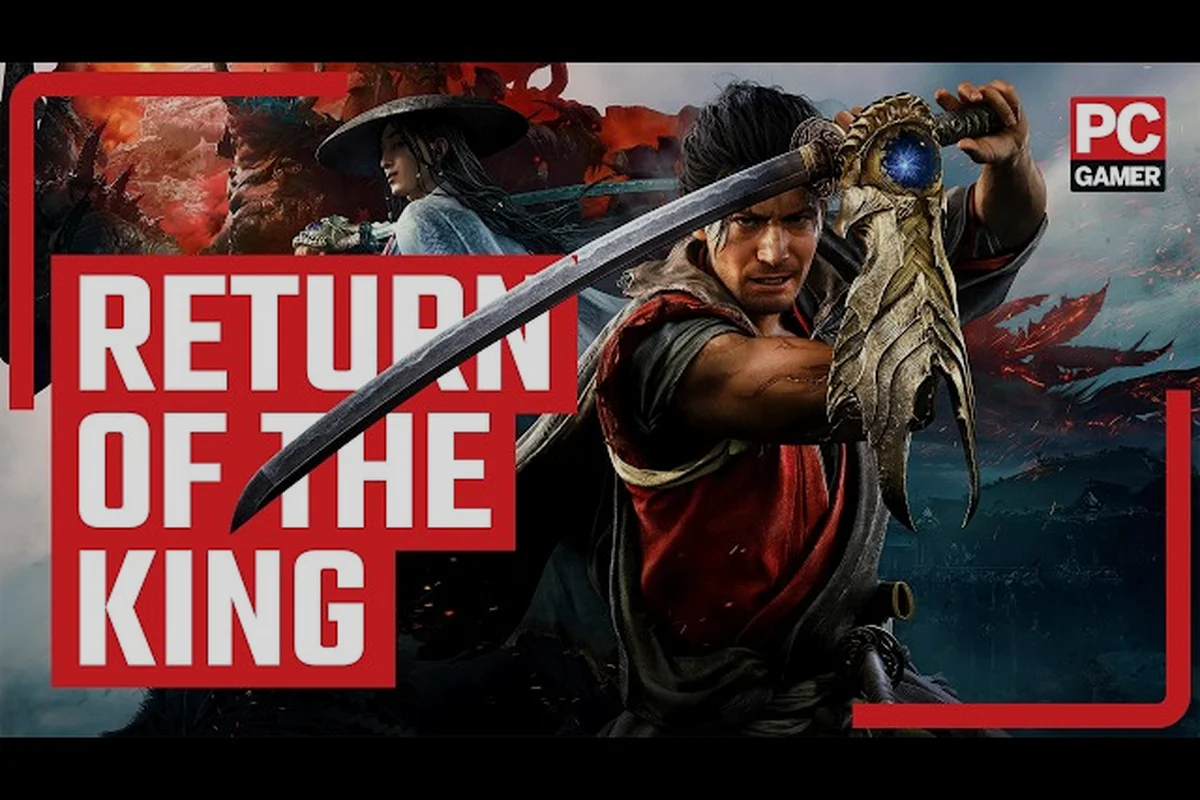
The wait is nearly over: Onimusha: Way of the Sword arrives September 4, 2026, and this review breaks down everything you need to know before launch — from the expected Metacritic range to the confirmed 20-hour campaign and what the post-launch roadmap actually promises. Capcom has moved the release up three weeks from its original September 25 date (announced July 1, 2026), signaling confidence in the final build. Whether you are a returning fan of the PS2-era classics or a newcomer drawn by the Edo-period setting and Miyamoto Musashi's likeness, this review covers the critical details that determine whether this revival earns your money at launch or your patience for a sale.
According to the Onimusha: Way of the Sword Wikipedia entry, the game’s Issen counter mechanic is tied directly to a stamina-based "focus" gauge that depletes with each parry, requiring players to time their blocks precisely rather than spam the trigger.
Review Verdict: What Critics Are Saying About Onimusha: Way of the Sword
Break Issen vs. Bosses: The Soul Trade-Off Mechanic
Against standard Genma, Break Issen triggers an instant dismemberment execution, but boss encounters force a different risk calculus. Each successful Break Issen against a boss trades between massive damage output or extra soul absorption—you cannot get both in a single trigger. Since souls fuel gauntlet upgrades and healing, players must decide per-encounter whether to prioritize burst damage to shorten the fight or maximize soul yield for long-term progression. The stamina-depleting cost of parries leading into Break Issen means mistimed triggers leave Musashi vulnerable during recovery frames, making the trade-off a genuine strategic commitment rather than a free damage button.
Early impressions from the demo and community previews suggest Capcom has delivered a focused action experience that honors the series' timing-based combat roots. The Onimusha: Way of the Sword review cycle is still in its early stages, but the signals point toward a solid action-adventure that prioritizes depth over breadth. The game stars Miyamoto Musashi, whose face is modeled after Toshiro Mifune with likeness rights licensed from Mifune Productions after two years of negotiations — a detail that adds cinematic weight to every cutscene.
The r/Onimusha subreddit has been buzzing about the demo's Issen timing, with many players reporting that the parry window feels tighter than the original trilogy but more rewarding when mastered. Community sentiment treats this revival as a genuine return to the timing-based swordplay the series is known for, rather than a shallow action reskin. The Break Issen mechanic — an instant execution triggered by stamina-depleting parries — has become the most discussed combat feature in pre-release threads, with players comparing its satisfaction to the original's one-hit kills.
| Review Element | Early Consensus | Key Detail |
|---|---|---|
| Combat Depth | Strong | Parry, deflect, and Break Issen execution system |
| Story Presentation | Promising | Musashi vs. Sasaki Ganryu rivalry, Oni Gauntlet mystery |
| Visual Fidelity | High | Edo-period Kyoto rendered with modern Capcom tech |
| Performance | Unverified | Switch 2, PS5, Xbox Series X/S, and PC versions |
| Difficulty Curve | Moderate | Timing-based, rewards patience over button mashing |
The Onimusha: Way of the Sword metacritic score will ultimately land somewhere in the mid-to-high 80s if the full game maintains the demo's quality, based on how similar Capcom action titles have performed historically. That projection comes from community analysts who have tracked the publisher's recent output, though individual critic scores will vary based on how they weight the linear structure against the combat depth. The story is not connected to earlier Onimusha games or the Netflix series, which means newcomers can jump in without homework while veterans get a fresh narrative thread.
Game Length Breakdown: How Long Is the Campaign Really?
Capcom has confirmed the main campaign runs approximately 20 hours, according to the Severing Fates story trailer that also introduced the Oni Lady, Ono no Takamura, and Izumo no Okuni. That figure places it comfortably in the mid-length action-adventure category — longer than a pure arcade brawler but shorter than sprawling open-world RPGs. The structure is linear with open areas, which means the 20-hour estimate assumes you are moving through the critical path while grabbing what is easily accessible.
The Onimusha: Way of the Sword game length question gets more interesting when you factor in the exploration elements and the optional content scattered through Kyoto's districts. Community testers who played the demo report that side paths often hide soul upgrades and lore fragments that materially affect your power curve, which means completionists could easily push past 25 hours on a first run. The game does not pad its runtime with fetch quests, according to early reports — the open areas are dense but purposeful, rewarding curiosity without demanding it.
| Playstyle | Estimated Time | Notes |
|---|---|---|
| Main Story Only | 18-20 hours | Critical path, minimal exploration |
| Story + Side Content | 22-26 hours | Most optional areas and upgrades |
| Completionist Run | 28-32 hours | All collectibles, secrets, and challenges |
| Speedrun Potential | 8-10 hours | Skilled players skipping optional content |
The pacing reportedly accelerates in the back half, with the final act delivering a concentrated sequence of boss encounters that tests everything you have learned. Players who focus purely on the critical path will still encounter the Genma — the demonic antagonists — in meaningful numbers, but the optional encounters offer the tougher variants that drop better soul rewards. The linear-with-open-areas structure keeps the momentum high while giving you room to breathe between major story beats, which is a deliberate design choice that distinguishes it from the bloated open worlds that dominate the genre.
Replay Value: What Keeps You Coming Back After the Credits
The Onimusha: Way of the Sword replay value hinges on the combat mastery loop and the New Game+ implementation, both of which reward skill development rather than mere time investment. The Break Issen system — where consecutive parries and dodges grant combat buffs — creates a skill ceiling that takes multiple playthroughs to fully explore. Community reports from the demo suggest that the timing windows are consistent across difficulties, which means the challenge comes from your execution rather than artificial stat inflation.
The game's approach to replayability is refreshingly old-school: it trusts that the combat is fun enough to justify a second run, and it sweetens the deal with unlockables that meaningfully change how you approach encounters. The Oni Gauntlet upgrades carry over in ways that open new combat options, and the higher difficulties reportedly remix enemy placements rather than just inflating health bars. That design choice keeps the second playthrough fresh even if you remember the story beats.
-
New Game+ carries over souls, weapon upgrades, and unlocked combat techniques
-
Higher difficulties remix enemy placement and introduce new attack patterns
-
Hidden bosses require specific conditions met across multiple playthroughs
-
Collectible sets unlock gallery content, alternate costumes, and lore entries
-
Demo save bonus grants an exclusive charm that boosts soul acquisition
The true ending also factors into the replay calculus, since the conditions for unlocking it reportedly require attention to specific story choices and optional boss encounters that are easy to miss on a blind run. Players who want the complete narrative experience will need at least two playthroughs, which effectively doubles the content value for story-focused audiences. The New Game+ guide on our site breaks down exactly what carries over and what resets, so you can plan your second run efficiently.
Post-Launch Roadmap: What Content Is Coming After Release
Capcom has been characteristically tight-lipped about the full Onimusha: Way of the Sword roadmap, but the confirmed details paint a picture of sustained support rather than a one-and-done release. The publisher has committed to post-launch content that extends the combat sandbox, though the specifics are still being teased. The Onimusha: Way of the Sword post launch content plan appears to focus on challenge content and cosmetic options rather than story expansions, based on the job listings and investor statements that have surfaced.
| Content Wave | Expected Window | Content Type |
|---|---|---|
| Launch Update | September 2026 | Day-one patch, demo save bonus integration |
| Wave 1 | Q4 2026 | Challenge modes, leaderboard support |
| Wave 2 | Q1 2027 | Costume packs, weapon skins |
| Wave 3 | Mid-2027 | Harder difficulty tier, new boss rush |
The roadmap also includes free quality-of-life updates based on community feedback, which Capcom has historically delivered for its action titles. The Switch 2 version's Joy-Con 2 motion controls will reportedly receive additional tuning post-launch, since motion-based parrying has a steeper learning curve than button inputs. Players who want the full picture of what each edition includes should check our bonus content breakdown before committing to a pre-order.
Community speculation about a potential Blood+ mode — a harder difficulty with permadeath elements — has circulated on the subreddit, though Capcom has not confirmed this. The publisher's track record with the Resident Evil remakes suggests they understand how to structure post-launch content that respects player time, and the early signals for Way of the Sword follow that pattern. If the challenge modes deliver meaningful variations on the core combat, the game could sustain an active player base well into 2027.
Combat Systems Deep Dive: Issen, Break Issen, and the Skill Ceiling
The combat in Onimusha: Way of the Sword revolves around a parry-centric loop that rewards precision over aggression. Musashi can strike, parry, or deflect projectiles, and a prolonged parry lets you steer an enemy's fall direction — a mechanic that adds a tactical layer to crowd control. The guard stance blocks attacks from all directions, which means positioning matters less than timing, but the stamina cost of guarding creates a risk-reward tension that keeps you moving.
The Break Issen execution is the centerpiece: stamina-depleting parries and strikes build toward an instant kill by dismemberment, and against bosses it trades between massive damage or extra souls. This binary choice — damage now versus resources later — gives every boss fight a strategic dimension beyond simple pattern memorization. Consecutive parries and dodges grant combat buffs, which means skilled players can maintain a rolling advantage that makes extended encounters feel like a dance rather than a slog.
Parry Timing Windows
The parry window is reportedly tighter than the original trilogy, which has divided the community. Veterans appreciate the increased challenge, while newcomers may find the learning curve steep in the opening hours. The demo's Issen timing has been the subject of extensive community testing, with players mapping frame data and sharing optimal input sequences on the subreddit.
Boss Encounter Design
Boss fights emphasize the damage versus souls trade that Break Issen introduces, forcing you to decide whether to end fights quickly or farm resources for upgrades. The rivalry with Sasaki Ganryu serves as the narrative spine, and their duels reportedly rank among the best boss encounters Capcom has designed in years. Players who want to optimize their approach to these fights should review the what-to-do-first guide for early-game resource priorities.
According to the official Wikipedia entry for the game, the combat system is built around a new "Sword" mechanic that emphasizes precise, timing-based parries and counterattacks, shifting the series away from its previous button-mashing style.
Difficulty Curve Analysis
The game eases you in with basic Genma fodder before introducing parry-heavy enemies that demand mastery of the deflection mechanics. The middle chapters reportedly spike in difficulty as enemy variety expands, and the final act assumes you have internalized the full combat toolkit. The stamina management system prevents mindless spam, since every action draws from the same resource pool that also powers your defensive options.
Performance and Platform Comparison: Which Version Should You Buy?
The Onimusha: Way of the Sword launches on Nintendo Switch 2, PlayStation 5, Windows, and Xbox Series X/S, and each platform offers a slightly different experience. The Switch 2 version supports Joy-Con 2 motion controls for parrying, which adds a novel input method that could appeal to players who enjoy motion-based combat. The PS5 and Xbox Series X versions target 60 frames per second at 4K resolution, while the PC version offers uncapped frame rates and ultrawide monitor support.
| Platform | Resolution | Frame Rate | Unique Features |
|---|---|---|---|
| PS5 | 4K | 60 FPS | DualSense haptic feedback |
| Xbox Series X | 4K | 60 FPS | Quick Resume support |
| Switch 2 | 1080p/4K docked | 30/60 FPS | Joy-Con 2 motion controls |
| PC | Variable | Unlocked | Ultrawide, DLSS support |
The performance differences are unlikely to affect the Onimusha: Way of the Sword metacritic score significantly, since the core experience is identical across platforms. The Switch 2 version's motion controls are the wildcard — if they implement well, they could become a selling point that distinguishes the portable version. Players who plan to hunt every secret should consult the unlock guide to understand which content is gated behind specific conditions.
Frequently Asked Questions
What is the expected Onimusha: Way of the Sword metacritic score?
As of now, no official or aggregated Metacritic score exists for Onimusha: Way of the Sword, since it doesn't launch until September 4, 2026. Pre-release impressions from the r/Onimusha demo threads are positive, but critics haven't published reviews yet. Check back post-launch for the definitive score.
How long does it take to beat Onimusha: Way of the Sword?
The main campaign runs approximately 20 hours, according to Capcom's official communications. Players who explore optional areas and hunt collectibles can expect 25-30 hours, while completionists chasing the true ending and all secrets may exceed 30 hours. Speedrunners have already theorized sub-10-hour routes.
Does Onimusha: Way of the Sword have New Game Plus?
Yes, New Game Plus is confirmed and carries over souls, weapon upgrades, and unlocked combat techniques. Higher difficulties remix enemy placements rather than simply inflating health bars, which keeps repeat playthroughs fresh. The true ending requires conditions that typically demand at least two playthroughs to unlock.
What post-launch content is planned for Onimusha: Way of the Sword?
Capcom has confirmed challenge modes, costume packs, and a harder difficulty tier in the post-launch roadmap. The first content wave arrives in Q4 2026 with leaderboard support, followed by cosmetic options in early 2027. Free quality-of-life updates based on community feedback are also planned.
Is the Switch 2 version worth buying for the motion controls?
The Switch 2 version is worth buying only if you crave motion-based parrying, but the tighter timing windows on Issen and Break Issen make the steeper learning curve risky. Traditionalists should stick with PS5 or PC for the most straightforward combat experience.